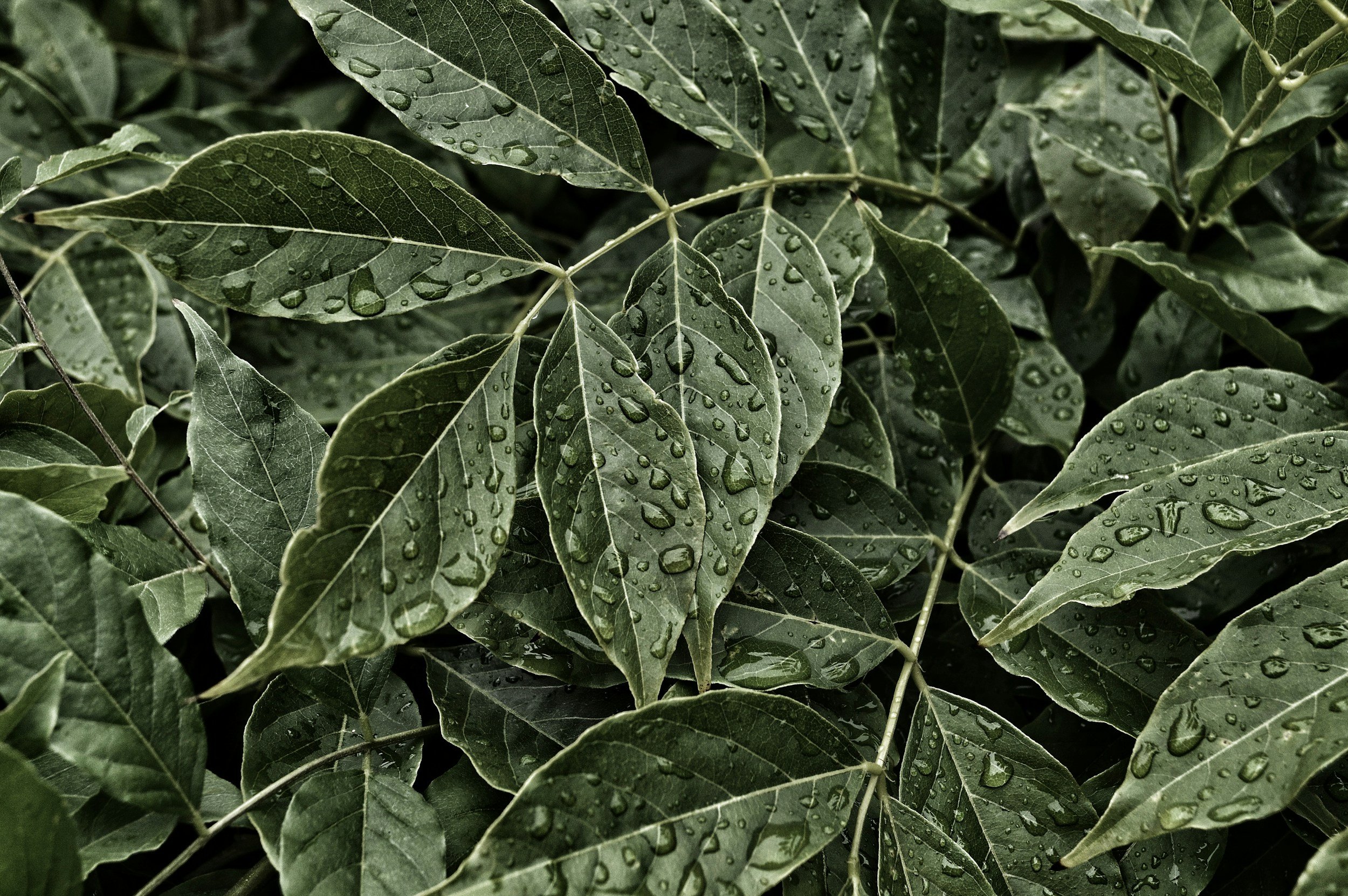
Famulari Theory
Plants researched to reduce the infectiousness of the airborne flu virus
Home / Plant Databases / Famulari Theory
The plants identified in this database are likely effective for flu virus accumulation and reduction of infectiousness. They have multiple stomata on the leaves for transpiration, as well as tolerance and accumulation of airborne viruses.
This research also looks at the quantity and specific type of plants (as well as electronic sources such as humidifiers and water features) needed to produce effective humidity for the plants to decrease the survival or transmission of viruses. Further elewomxnts include creating effective distances of people to plants, light, water, soil and temperature needs.
The Famulari Theory uses greening practices to reduce the infectiousness of the airborne flu virus.
Key terms
-
Pores on the leaf that open and close
-
Transpiration is the process of releasing water vapors into the air.
The Transpiration Rate is a numerical system to rate plants from 10 to 1 on their transpiration. Plants that release more water vapor from the stomata on the leaves into the air have a rating of 10. Plants that transpire little have a rating of 1. The ratings between 10-1 relate to a range of transpiration between both ends of the spectrum.
-
A trichome is a small, hair-like outgrowth found on the surface of plants.
The Trichrome Rate is a numerical system to rate plants from 10 to 1 on their trichomes (how fuzzy a leaf appears) in a typical mature living plant . The length of the plant hair as well as the appearance of trichome density on the leaves or other surfaces of the plant both factor into the rating system. If the leaf's plant hairs appear soft to touch, as in petting a soft animal, it has a rating of at 10 for trichomes. In rating a plant with a 1, the surface of the leaf feels waxy or has a texture of plastic. The ratings between 10-1 relate to a range of trichomes between both ends of the spectrum.
-
Clumping refers to a growth habit where plants form dense, compact groups or mounds.
The Clumping Rate is a numerical system to rate the plants from 10 to 1 on their density of leaves in a typical mature living plant. The size of the leaf does not determine the density of its growth pattern. If two people are standing on opposite sides of the plant and looked at each other, and all or much of their face was not visible because it is blocked with leaves, the plant is rated at 10 for density. In rating a plant with a 1, most or all of person’s face would visible if standing on opposite sides of the plant. The ratings between 10-1 relate to a range of visibility between both ends of the spectrum.
The Famulari Theory Database
Further Reading

The full information about the Famulari Theory can be found in the book:
Designing Green Spaces for Health
Using Plants to Reduce the Spread of Airborne Viruses

Discover Phytoremediation
Phytoremediation explores the use of plants to uptake contaminants within the soil, air, or water.